














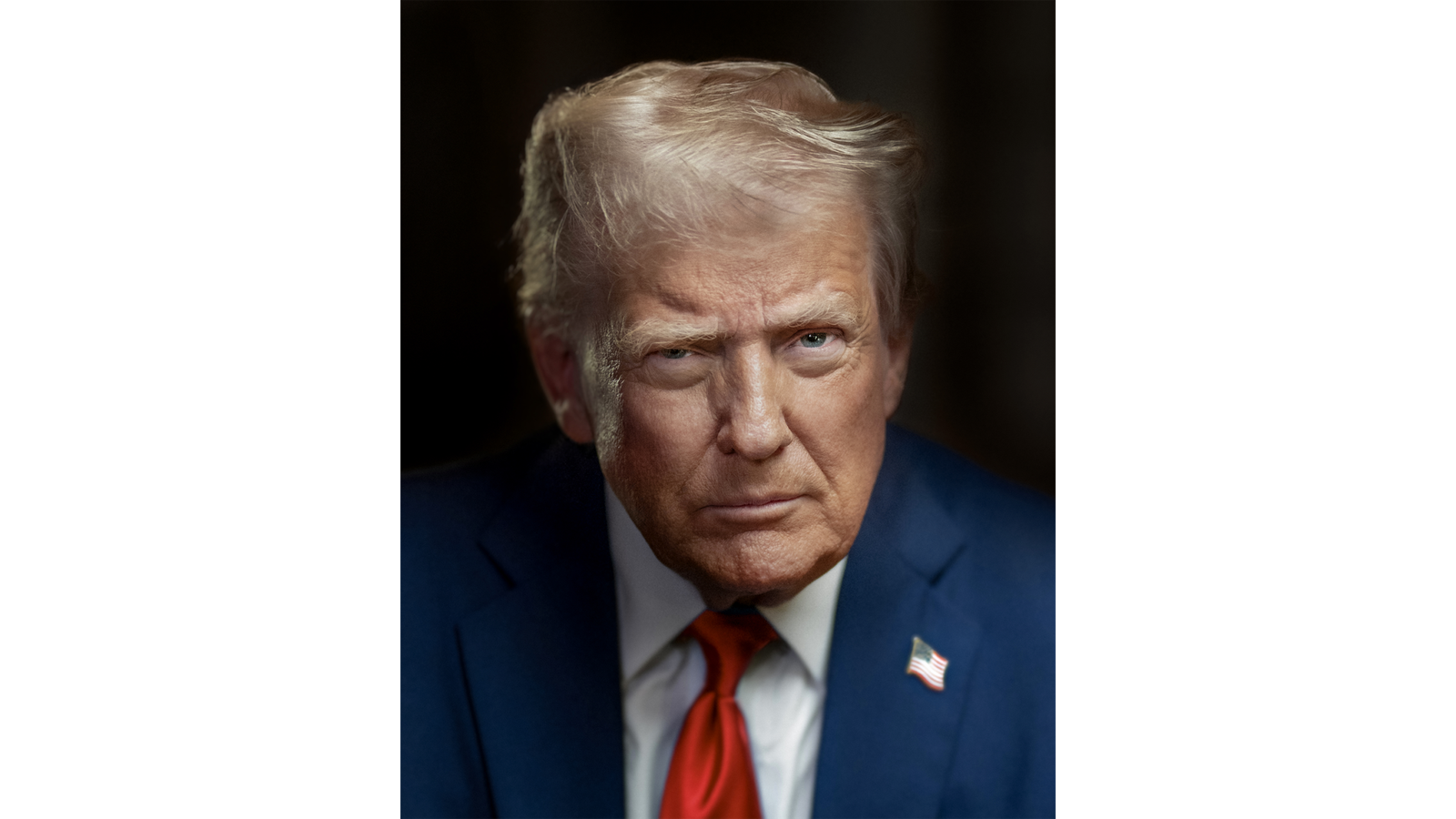
WASHINGTON, October 19, 2026: US President Donald Trump is weighing whether to impose Russia-related sanctions and tariffs after temporarily waiving key measures, with Secretary of State Marco Rubio saying the administration could take up to 60 days to assess the economic consequences.
The decision has brought together two major policy concerns: efforts to pressure Moscow over its war in Ukraine and the impact of disrupted energy supplies on fuel prices worldwide.
Why did Trump pause the sanctions?
Trump signed an executive order on Friday, October 16, waiving key sanctions and tariffs under legislation known as the Graham Act. The measures, which were scheduled to take effect the following week, include penalties relating to Russian exports and countries purchasing Russian energy.
Speaking on Saturday, Rubio said the president wanted time to examine what enforcing the measures could mean for the US and global economies. Trump said he had not announced his final decision.
The waiver does not mean that all existing US sanctions on Russia have been removed. It concerns particular measures under the new law.
Oil prices fall as traders assess Russian fuel supplies
Oil prices slipped in early trading on Monday, October 19, amid expectations that the waiver could allow additional Russian fuel exports. Reuters reported Brent crude futures at $108.43 a barrel at 2340 GMT on Sunday, down $1.43, while US West Texas Intermediate crude traded at $100.88, down 53 cents. These are time-specific market quotations, not current prices throughout Monday.
Energy markets remain sensitive to developments in the Middle East, where conflict involving Iran has disrupted supply routes. Any additional Russian fuel reaching global markets could ease some immediate supply concerns, although future prices will depend on production, shipping risks and demand.
Russian diesel agreement draws scrutiny
Trump has also described an agreement under which Russia would initially supply more than 300,000 metric tons of diesel to the United States, with further shipments anticipated. Rubio defended the arrangement as a way to manage energy-market pressure while pursuing diplomatic goals.
Critics, including Ukrainian President Volodymyr Zelenskyy and lawmakers from both US political parties, have argued that easing economic pressure could benefit Moscow during its continuing war against Ukraine. The administration maintains that energy security and diplomatic negotiations must be considered together.
What happens during the 60-day review?
Rubio’s statement describes a period for assessing the impact of sanctions, rather than a promise that a final decision will be announced on a particular day. The executive order’s waiver and the administration’s subsequent review should be distinguished from any future decision to reinstate or expand penalties.
For energy importers and exporters, including countries in the Gulf, the decision matters because Russian oil flows, Middle East supply disruptions and US trade penalties can affect the global balance of crude and refined products.
Sources: Reuters, October 18, 2026; Reuters global markets, October 19, 2026; Associated Press, October 18, 2026.