
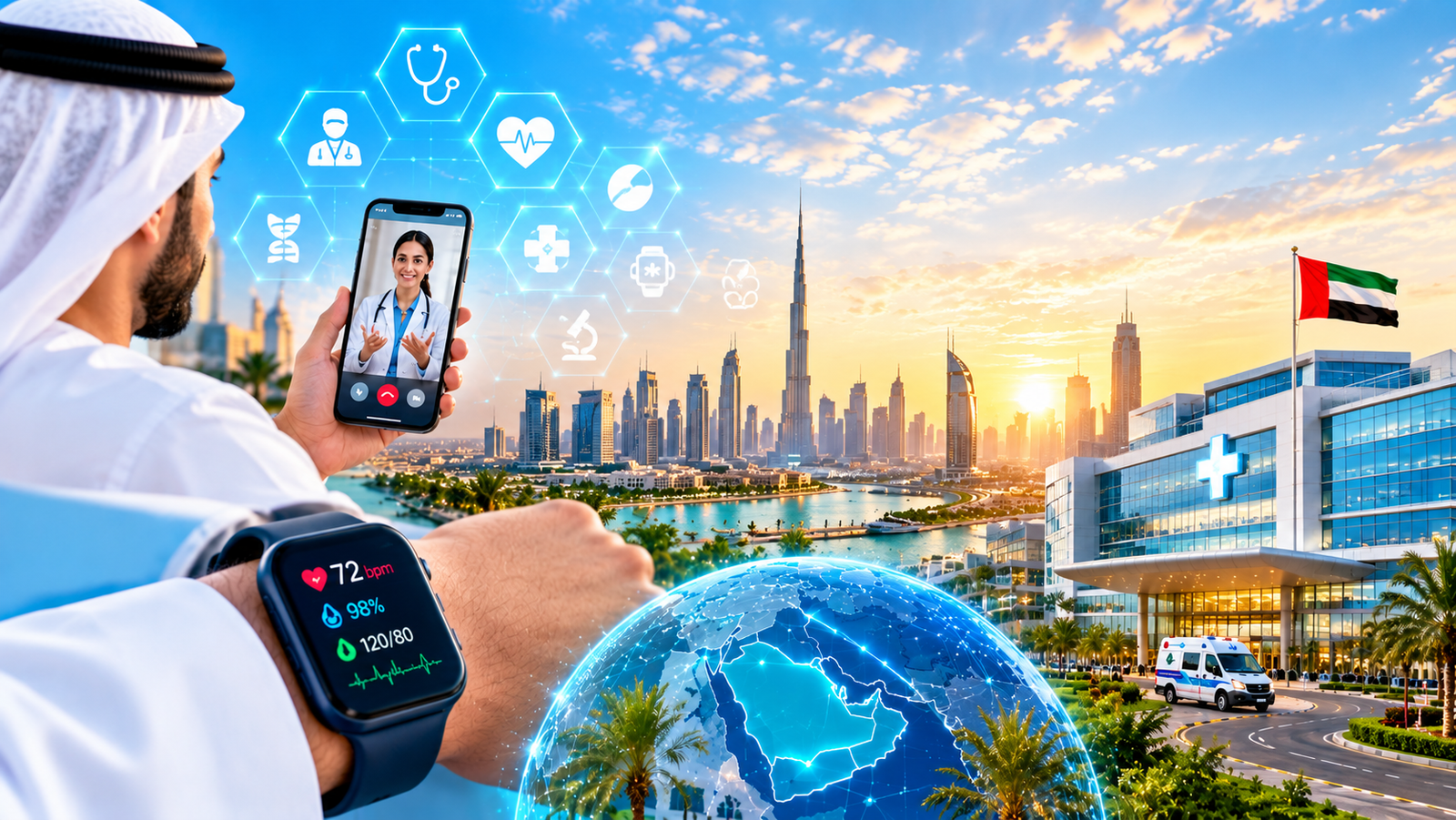

For expatriates, investors, business travelers, and long-term citizens moving to or living in the Middle East, understanding the local healthcare landscape is more than just a matter of personal well-being—it is a key indicator of regional stability and economic foresight. Fortunately, the Gulf Cooperation Council (GCC) region, led prominently by the United Arab Emirates and Saudi Arabia, is rapidly establishing itself as a global powerhouse for medical innovation.
As countries across the GCC invest billions into smart city infrastructure, rapid visa processing, and seamless digital government services, they are aggressively applying that same digital-first philosophy to medical care. The healthcare sector is undergoing a massive, systemic shift. It is moving away from reactive, siloed, traditional hospital systems and transitioning toward proactive, data-driven, and hyper-connected medical ecosystems. This transformation is not simply about upgrading facilities with new equipment; it is redefining what it means to be a patient, a physician, and a healthcare investor in the modern era.
The Paradigm Shift Toward Digital and Remote Care
The integration of advanced technology into daily medical practice is vastly improving patient experiences across the region. For residents juggling busy professional lives in fast-paced cities like Dubai and Abu Dhabi, healthcare is becoming more accessible, highly personalized, and significantly less intrusive.
Telemedicine: Healthcare at Your Fingertips
For a busy expat dealing with a minor ailment, sitting in a crowded waiting room is no longer the default option. In recent years, remote consultations have transitioned from a backup, emergency-only option to a primary, highly efficient point of care. High-speed 5G telecom networks across the UAE support seamless, high-definition video consultations. This allows patients to speak with leading specialists, receive instant e-prescriptions routed directly to their local pharmacy, and schedule necessary follow-ups entirely through their smartphones.
This remote approach is particularly beneficial for those living in newly developed urban areas, suburban communities, or for business professionals whose demanding schedules simply do not permit lengthy hospital visits. It also vastly reduces the operational strain on physical hospital locations, keeping wait times low for those who truly need in-person emergency care.
Wearable Diagnostics and the Era of Preventative Care
The core focus of modern medicine in the GCC is fundamentally shifting from merely treating illness to actively preventing it. Wearable diagnostics play a foundational role in this transition. Smartwatches, fitness trackers, and medical-grade biosensors allow doctors to monitor their patients’ vital signs—such as resting heart rate, blood pressure, oxygen saturation, and even glucose levels—in real-time, from anywhere in the country.
This continuous stream of data is a game-changer for managing chronic conditions like diabetes or heart disease, which are prevalent in the region. By analyzing this continuous data, physicians can detect dangerous anomalies and adjust medication or lifestyle treatments long before a severe health event, like a heart attack or stroke, occurs.
Regional Blueprints for Integrated Health
Cities across the UAE are not merely building isolated, high-tech hospitals; they are developing fully integrated, city-wide health ecosystems. These ambitious blueprints aim to connect every single touchpoint of a patient’s medical journey, ensuring that no data is ever lost in transition between specialists.
A prime example of this integrated approach is driven by the Department of Health Abu Dhabi, which has been instrumental in demonstrating how centralized digital health records and AI-driven analytics can completely streamline patient care. When a patient’s entire medical history, past lab results, and current wearable data are instantly accessible to any authorized specialist within the emirate’s network, it eliminates redundant testing, allows for highly personalized treatments, and drastically reduces the likelihood of dangerous medical errors or costly hospital readmissions.
Building Cross-Border Medical Resilience and Economic Growth
Transforming healthcare is not a localized, isolated effort. UAE leadership recognizes that to build a truly robust healthcare system, they must look beyond their own borders. There is a strong, growing consensus on the need for unified strategies to combat regional health challenges and ensure long-term stability for all residents, regardless of nationality. This approach also presents massive opportunities for foreign direct investment (FDI) in the biotech and pharmaceutical sectors.
Shared Research and the Promise of Genetic Medicine
Medical and academic institutions across the region are increasingly pooling their vast amounts of anonymized patient data regarding prevalent regional lifestyle diseases—such as type 2 diabetes, obesity, and cardiovascular conditions. By utilizing a secure, global health collaboration platform, researchers and scientists can share insights and develop targeted, genetic-level treatments.
This localized research is crucial. It ensures that treatments are tailored to the specific genetic demographics and lifestyle factors of the Middle Eastern population, rather than relying solely on medical research imported from Western nations, which may not be entirely applicable or as effective.
Global Integration and the Rise of Medical Tourism
Middle Eastern countries, particularly the UAE, are actively leading broader healthcare missions on the world stage. Regional leaders are forging strategic partnerships with prominent international medical bodies, top-tier universities, and leading pharmaceutical companies.
These partnerships serve a dual purpose. First, they establish universal, gold-standard protocols for patient care within the UAE. Second, they aggressively foster the growing sector of medical tourism. By funding cutting-edge biotech startups and offering world-class, specialized treatments, the UAE is attracting patients from across the globe. For expats and citizens, this means that the standard of care they receive locally is on par with, or even exceeds, the care they would receive in renowned medical hubs like London, New York, or Singapore.
Supply Chain Security and Localized Manufacturing
Global events and recent geopolitical tensions have starkly highlighted the vulnerabilities inherent in long, international supply chains. To protect their populations and ensure economic stability, GCC nations are heavily focused on enhancing the localized, regional manufacturing of vital pharmaceuticals, essential vaccines, and advanced medical equipment.
This aggressive push for self-reliance ensures that local healthcare systems remain fully stocked and highly resilient against any future global supply chain disruptions. It guarantees that residents always have access to the life-saving medications they need, while simultaneously creating thousands of high-skilled jobs within the domestic economy.
Artificial Intelligence and the Future of Diagnostics
Artificial Intelligence (AI) is no longer a futuristic, experimental concept; it is moving rapidly into the role of an essential, daily tool in UAE hospitals. The sheer volume of complex medical data generated every single day is far too vast for human analysis alone. AI is successfully bridging that gap, offering unprecedented insights.
Precision Imaging and Early Detection
AI algorithms are now routinely assisting radiologists in analyzing complex X-rays, MRI scans, and CT imaging. These highly trained AI systems can detect early-stage cancers, micro-fractures, and subtle neurological anomalies with a level of accuracy that is reshaping oncology and neurology. AI can often identify minute, microscopic patterns that human eyes might miss due to visual fatigue or the incredibly subtle nature of early-stage diseases. This capability leads directly to earlier interventions, less invasive treatments, and significantly better overall survival rates for patients.
Operational Efficiency and Predictive Administration
Beyond direct patient diagnostics, AI and predictive analytics are revolutionizing the business and operational side of how hospitals function. Hospital administrators and financial officers use sophisticated AI models to accurately predict patient admission rates, optimize doctor and nursing staff schedules, manage ICU bed capacities, and allocate critical resources efficiently during peak periods or predictable seasonal flu outbreaks.
This high level of operational efficiency ensures that hospitals are rarely overwhelmed, operational costs are kept tightly controlled, and, most importantly, patients experience dramatically shorter wait times and a much higher standard of overall service.
The Foundational Role of Smart City Infrastructure
It is vital to understand that this incredible digital revolution in healthcare is entirely dependent on the physical, digital infrastructure of the cities themselves. The high-speed 5G networks that enable lag-free remote surgeries, the heavily fortified, secure data centers that store sensitive electronic health records, and the uninterrupted, redundant power supplies that run life-saving ICU equipment are the absolute bedrock of this progress.
As cities across the UAE continue to aggressively build out their smart city capabilities, integrating IoT (Internet of Things) devices at every level of municipal management, the potential for even more advanced, previously unimaginable medical technologies becomes a very near reality.
Conclusion: A Healthier, More Resilient Tomorrow
The sweeping modernization of healthcare in the UAE and the wider GCC is a powerful testament to the region’s forward-thinking, economically driven leadership. By prioritizing ultra-fast digital connectivity, fostering deep global medical partnerships, and investing heavily in advanced AI and medical technologies, the Middle East is not just upgrading its existing hospitals. It is actively and successfully shaping the future of global healthcare delivery.
For the millions of expatriates, global travelers, and citizens who call this dynamic region home, these incredible advancements offer profound peace of mind. Knowing that you are living in a region equipped with a resilient, world-class, and deeply digitally integrated healthcare system ensures that you and your family are fundamentally protected. This security allows residents to focus on business growth, career advancement, and enjoying the vibrant daily life, travel opportunities, and unique culture that the UAE so proudly has to offer.
Your Healthcare Innovation Questions Answered (FAQs)
How is the UAE transforming its healthcare system?
The UAE is transitioning from traditional, reactive healthcare to a proactive, highly integrated model. This includes heavy investments in telemedicine, centralized digital health records, AI-driven diagnostics, and smart hospital infrastructure to ensure seamless patient care across all Emirates.
What is the role of the Department of Health Abu Dhabi in digital healthcare?
The Department of Health Abu Dhabi is a central regulatory and strategic body that drives digital health initiatives within the Emirate. They are instrumental in establishing unified digital health records and leveraging AI to streamline care and reduce medical errors.
Why is regional collaboration important for healthcare in the GCC?
Regional collaboration allows GCC nations to pool vast amounts of patient data to research lifestyle diseases specific to the region (like diabetes and cardiovascular issues). Through shared platforms, they can develop genetic-level, tailored treatments that are more effective for the Middle Eastern demographic.
How does AI benefit patients in UAE hospitals?
AI benefits patients primarily through early and more accurate diagnostics. AI algorithms assist radiologists in identifying minute patterns in X-rays and MRI scans, often spotting early-stage diseases that the human eye might miss. This leads to earlier interventions and better survival rates.
Is telemedicine widely available and effective in the UAE?
Yes, telemedicine is highly prevalent and very effective, supported by the UAE’s robust 5G networks. It has shifted from an emergency backup to a primary care option, allowing patients to consult specialists and receive e-prescriptions from their smartphones, vastly reducing hospital wait times.
What impact does digital healthcare have on the UAE’s economy?
Digital healthcare is a major economic driver. It attracts foreign direct investment in biotech, boosts the booming medical tourism sector, creates high-skilled jobs in localized pharmaceutical manufacturing, and ensures a healthy, resilient workforce, all of which contribute to long-term economic stability.
