
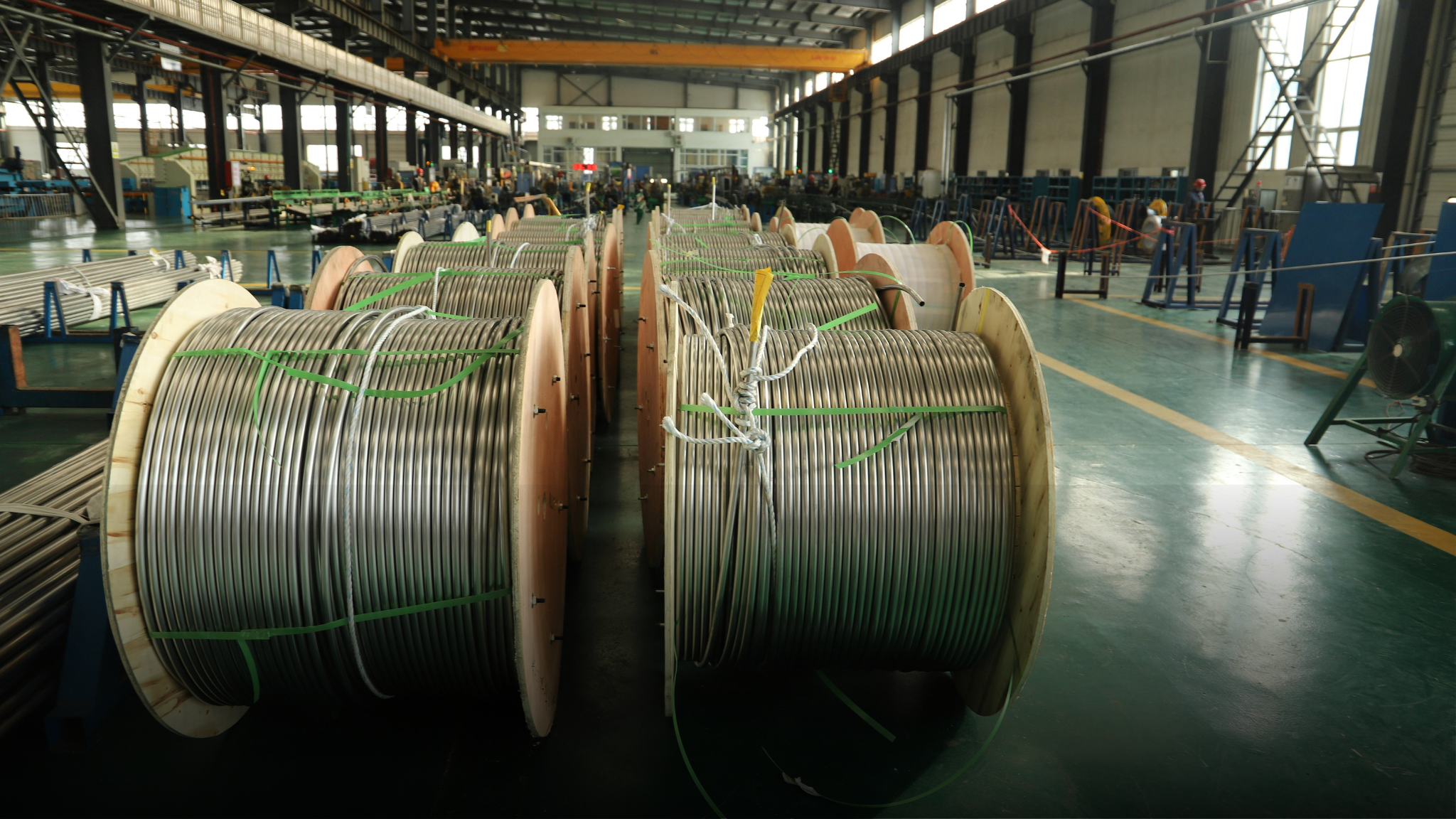

The Armor of Industry: Cable Protection Systems for Heavy Operations in the Gulf
In the brutal environment of heavy industry across the Gulf—ranging from petrochemical refineries and offshore platforms to massive desert mega-projects—an electrical cable is not just a wire; it is a survivor. These environments subject cables to a relentless assault of crushing weight, jagged rocks, corrosive chemicals, and extreme temperatures. A single cable failure in a refinery can halt production for days, costing millions, or worse, create a severe fire hazard in a volatile area.
To mitigate these catastrophic risks, facilities must prioritize emergency readiness and structural integrity. This includes relying on specialized fire alarm cable suppliers in uae to guarantee that critical safety systems remain operational during emergencies. As the region expands its industrial footprint, the demand for “fail-safe” connectivity has never been higher. Cable protection systems serve as the “armor” that ensures the lifeblood of power and data continues to flow, no matter how hostile the Gulf surroundings may be.
1. Mechanical Protection: The Steel Shield
In a bustling GCC construction site or mining pit, cables are routinely run over by 100-ton trucks or hit by falling debris. Whether routing massive feeder lines or standard low voltage cables for localized site operations, plastic insulation alone stands no chance.
- Steel Wire Armor (SWA): This is the most common form of mechanical protection. A layer of galvanized steel wires is wound around the inner core of the cable. It provides immense tensile strength (for pulling the cable) and high crush resistance.
- Steel Tape Armor (STA): Instead of wires, two layers of steel tape are wrapped around the cable. This offers superior protection against “penetration” (like a sharp rock or a shovel blade) and provides a highly effective barrier against desert rodents.
- Aluminum Wire Armor (AWA): Used specifically for single-core AC cables. Because steel is magnetic, a single core carrying AC would cause the steel to heat up due to induction. Aluminum is non-magnetic, providing top-tier protection without the dangerous heat buildup.
2. Chemical and Hydrocarbon Barriers: The Lead Sheath
In the Middle East’s massive oil and gas industry, mechanical protection is only half the battle. The real “silent killer” is chemical permeation. Standard plastics, like PVC or even tough Polyethylene, are actually porous at a molecular level. Over years of burial in soil contaminated with oil, petrol, or diesel, these hydrocarbons will eventually seep through the plastic and attack the insulation.
The Innovation: The Lead Sheath. Lead is one of the few materials that is completely impermeable to hydrocarbons. A thin, continuous layer of lead is extruded over the insulation, creating a permanent, hermetic seal. For energy projects across the GCC, utilizing lead-sheathed cables is a strict safety mandate to prevent systemic failures.
3. Environmental Protection: UV and Salt Spray
Heavy industry in the region is located in some of the world’s most aggressive climates—blazing deserts or highly corrosive coastal zones.
- UV Resistance: Under the Gulf sun, ultraviolet radiation rapidly breaks the chemical bonds of standard polymers, causing them to crack and crumble. Industrial-grade protection involves using “Carbon Black” loaded jackets that safely absorb and neutralize UV rays.
- Corrosion Resistance: In coastal desalination plants and island refineries, high humidity and salt spray will quickly rust standard steel armor. Protection systems here use specialized galvanized coatings, stainless steel braids, or non-metallic glass-fiber-reinforced (GFR) armor that is completely immune to rust.
4. Termite and Rodent Defense
It sounds simple, but animal attacks are a leading cause of industrial cable failure worldwide. Rats chew cables to sharpen their teeth, and in arid regions, termites can eat through standard plastic jackets in weeks.
- Physical Barriers: The “Nylon Sheath” is the gold standard in the industry. Termites cannot gain a “foothold” on the extremely hard, smooth surface of Nylon-12, effectively preventing them from starting to chew in the first place.
5. Vibration Damping and Strain Relief
In a factory with massive stamping presses or heavy reciprocating pumps, the ground itself vibrates 24/7. This continuous vibration can cause “work-hardening” in copper conductors, making them brittle until they snap like a dry twig.
The Protection System: This involves using fine-stranded conductors (Class 5 or 6) that can absorb vibration, paired with specialized “cable cleats” and glands. These cleats hold the cable securely but feature heavy-duty rubber liners that act as shock absorbers, isolating the cable from the machine’s industrial tremors.
Conclusion: Investing in Industrial Resilience
In the world of heavy industry, “cheap” is the most expensive word you can use. A cable without adequate protection is a ticking time bomb. By investing in the right combination of steel armoring, lead sheathing, chemical barriers, and vibration damping, Gulf operators move from a reactive “fix-it” mindset to a proactive culture of resilience. These protection systems are the unsung heroes of global production, ensuring that our mines stay safe, our refineries stay online, and the region’s industrial progress never stops.
Your Industrial Cable Protection Questions Answered (FAQs)
Why do single-core cables use Aluminum armor instead of Steel?
Steel is a magnetic material. When a single-core cable carries high-voltage Alternating Current (AC), it creates a moving magnetic field that would cause a steel armor to heat up significantly through induction (eddy currents). Aluminum is non-magnetic, so it provides protection without getting hot.
Is a lead sheath environmentally safe?
Yes, when used inside a cable. The lead is encased within several layers of robust plastic (inner and outer jackets), so it never comes into contact with the soil. At the end of the cable’s 40-year life cycle, it can be safely recovered and recycled.
What is the difference between “Flame Retardant” and “Fire Resistant”?
Flame retardant cables are designed to stop a fire from spreading along the cable itself. Fire-resistant (or fire survival) cables are designed to keep working and carrying electricity while they are actively sitting in a fire, which is vital for powering emergency alarms and suppression systems.
Can I use standard PVC cables in a petrochemical plant?
No. Standard PVC will absorb hydrocarbons (oil and gas), causing it to swell and soften. Eventually, the insulation will fail, creating a massive safety risk. You must use cables with specialized chemical-resistant jackets or lead sheaths.
How does “Carbon Black” protect a cable from the sun?
Carbon Black is a powder added to the plastic jacket during manufacturing. It acts as a total sunblock by absorbing Ultraviolet (UV) radiation and converting it into harmless heat, preventing the UV rays from breaking the plastic’s molecular bonds.
