
















From a baby’s first breath to the changes of adolescence, growing up comes with its own set of challenges. In medicine, children aren’t treated as just smaller versions of adults. Their bodies work differently; they often heal faster, and they need care that’s suited to their age. That’s where paediatrics and neonatology come in—looking after children from the early days in a newborn unit right through the teenage years, making sure their growth and health stay on track.
The Neonatal Intensive Care: Precision at the Start of Life
Neonatology is perhaps the most delicate subspecialty in modern medicine. It focuses on the “neonate”—an infant in the first 28 days of life. For many babies, this period is a routine transition. However, for those born prematurely or with congenital complications, the environment of a Neonatal Intensive Care Unit (NICU) becomes their first home.
In these high-pressure settings, neonatologists manage life-threatening conditions like Persistent Pulmonary Hypertension or Neonatal Sepsis. The technology involved is staggering; yet, the human element remains paramount.
The Digital Evolution in Child Health
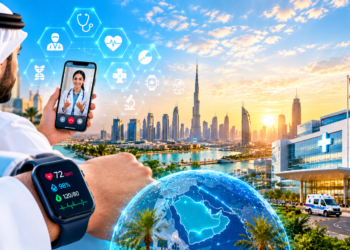
The landscape of modern pediatrics is rapidly shifting with the integration of smart healthcare technologies and tele-consultation services. In a fast-paced environment like Dubai, the ability to connect with a specialist through secure, encrypted portals has revolutionised how parents manage minor ailments and follow-up care. This digital leap doesn’t just offer convenience; it allows for continuous monitoring of chronic conditions, such as juvenile diabetes, through wearable glucose monitors that sync directly with a consultant’s database.
Furthermore, advanced pediatric departments now utilise AI-driven diagnostic tools to spot subtle patterns in developmental data, helping identify early-intervention needs faster than ever before. By blending high-tech monitoring with the tactile, empathetic care that neonatology demands, medical facilities are creating a “safety net” that exists both inside and outside the hospital walls. This synergy of technology and human expertise ensures that every child receives a bespoke treatment plan tailored to their specific genetic and environmental profile.
Holistic Paediatrics: Beyond the Stethoscope
Once a child grows past the newborn stage, the paediatrician takes over as the main doctor for their health. General paediatrics is all about keeping a close eye on how a child is developing—watching their motor skills improve, hearing their first words, and making sure their immune system is getting stronger over time.
Preventive medicine is the cornerstone here. Through strategic immunisation programmes and nutritional guidance, paediatricians prevent the “old-world” diseases that once plagued childhood. In the modern context of the UAE, this also involves addressing contemporary issues like Vitamin D deficiency and sedentary lifestyles. Families often seek out the most reputable pediatric hospitals in Dubai to find clinicians who don’t just prescribe medicine, but who partner with parents to build a foundation for lifelong wellness.
Specialised Interventions: When a Child Needs More
Sometimes, general care isn’t enough. The complexity of the human body means that children can face challenges involving the heart, the brain, or the endocrine system. This is where pediatric subspecialties step in.
Take, for instance, a child born with a structural heart defect. The diagnostic path is vastly different from that of an adult. It requires specialised pediatric echocardiography and a deep understanding of how a growing heart compensates for stress. For such critical needs, accessing the best heart hospital in Dubai ensures that the child is treated by surgeons and cardiologists who spend their entire lives focusing on the miniature scales of pediatric anatomy.
The Power of Integrated Medical Facilities
A recurring challenge in modern healthcare is “siloed” care—where different doctors don’t talk to each other. In paediatrics, this can be detrimental. A child with a chronic condition like juvenile diabetes or asthma needs a team, not just a doctor.
This is the primary advantage of a multispeciality approach. When choosing the best maternity hospital in Dubai, parents often look beyond the delivery suite to the strength of the neonatal team. It is the peace of mind that comes from knowing that if a complication arises, the most advanced ventilatory support and metabolic monitoring are only seconds away.
Safety and Ethics in Small-Scale Medicine
Treating children demands a higher ethical standard. We must consider “the best interest of the child” in every decision. This extends to how we perform diagnostic tests. Paediatricians are trained to use the ALARA (As Low As Reasonably Achievable) principle, specifically when it comes to radiation. If an ultrasound or an MRI can provide the answer without the need for an X-ray or CT scan, the safer route is always chosen.
Furthermore, the “humanised” aspect of paediatrics lies in communication. A great paediatrician speaks two languages: the medical jargon of the peer-reviewed journal and the gentle, reassuring language of a scared seven-year-old. They understand that a child’s recovery is often tied to their emotional state and the confidence of their parents.
Conclusion: A Commitment to the Future
The fields of Pediatrics and Neonatology are constantly evolving. From the use of genomic sequencing to identify rare diseases early to the implementation of minimally invasive neonatal surgeries, the goal remains the same: a healthy adulthood.
For residents in the UAE, the standard of care has never been higher. By choosing facilities that prioritise international benchmarks, JCI accreditation, and a family-centred philosophy, parents ensure their children have the best possible start. After all, the health of a nation is best reflected in the health of its youngest citizens. In the hands of dedicated specialists, that future looks exceptionally bright.