
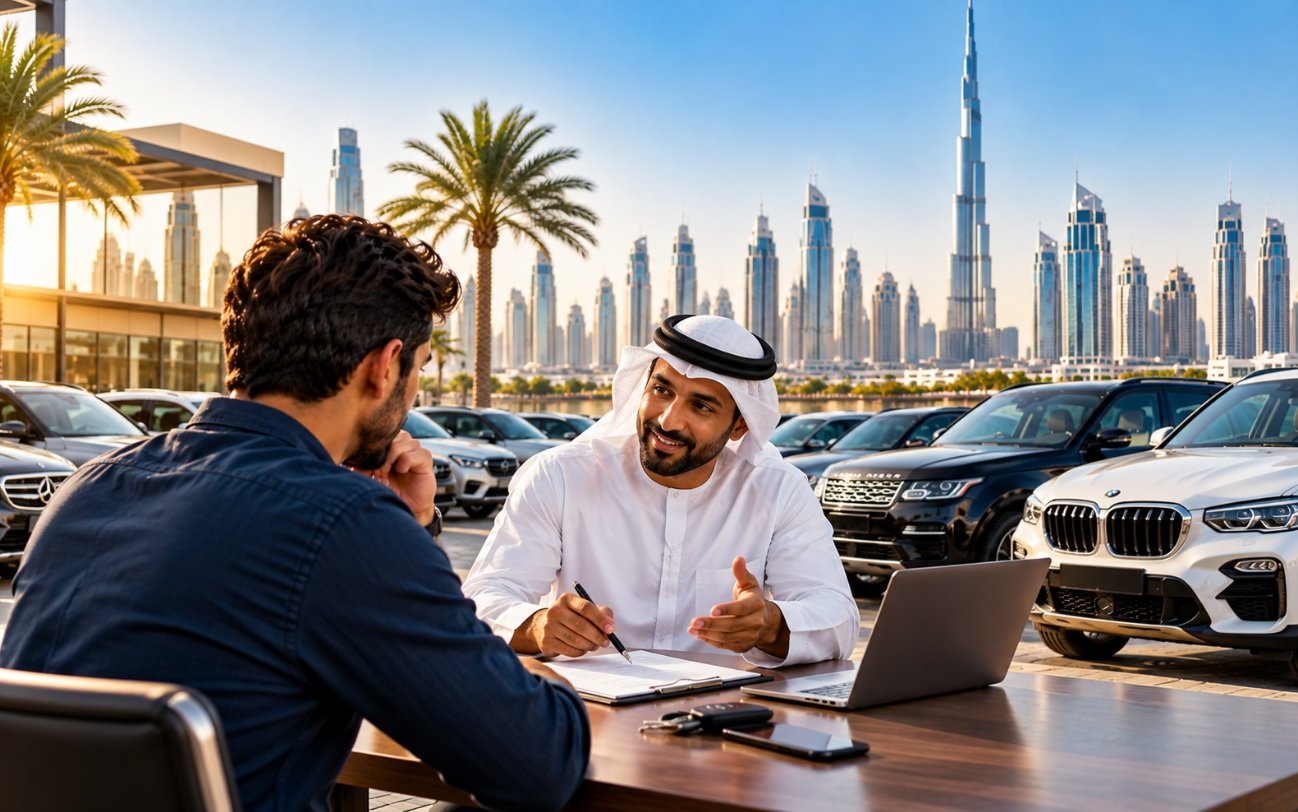

Nearly every used car transaction in Dubai is actually two transactions wearing one coat. The resident upgrading to the family SUV is simultaneously disposing of the sedan; the departing expat selling the coupe is often the same person who bought it hurriedly two years ago and is now discovering what that haste cost. Yet almost all the advice, the guides, the forum wisdom, the uncle’s opinion, treats buying and selling as separate skills, and the result is a city full of people who negotiate brilliantly on the way in and surrender meekly on the way out, or the reverse. The truth worth an editorial is that the two sides are one discipline, and the people who treat them that way come out thousands of dirhams ahead on every cycle.
Start with the buying side, because it is where the discipline is easiest to see. The craft of buying a used car in Dubai has been transformed by transparency: over 13,000 listings from verified dealers and private sellers sit on OneClickDrive with real photos, stated prices, and direct WhatsApp contact, which means the honest market price of any model and year is learnable in one evening of comparison. The buyer’s playbook flows from that. Shortlist across the whole market rather than one forecourt, filter by message before visiting, is it available, accident-free by the seller’s account, open to inspection, and reserve the physical weekend for finalists only. Then apply the verification layer that no amount of transparency replaces: the service folder read page by page, the paid pre-purchase inspection with paint-depth and chassis readings, the loan-and-fines check that decides whether the car can even transfer, and the air conditioning tested at full blast in genuine heat. None of this is new advice. What is new is that the market now rewards it instantly, because a buyer armed with three comparable listings and an inspection report negotiates from ground the old forecourt never offered.
The Selling Side Is the Same Skill in a Mirror
Here is where most people’s discipline collapses, and the reasons are psychological rather than technical. Selling feels like a chore to be escaped rather than a deal to be won, so owners default to the paths of least resistance, the instant-buyer services that solve the hassle by paying below the market, or the lowball dealer trade-in absorbed into the next purchase where its true cost hides. Both have their place when speed genuinely rules. But the same transparency that armed you as a buyer works identically in the other direction, and ignoring it is voluntarily donating the spread.
The seller’s playbook is the buyer’s checklist inverted. Price against the live comparables, not against what you paid or what the car means to you; the market has already voted, and your listing either joins the conversation or gets scrolled past. Photograph in daylight, from every angle, flaws included, because in a transparent market the honest listing is the conspicuous one. Lead with the service history, answer the inspection question with an immediate yes, and let the paperwork be your salesman: a car with a complete folder, clear loan status, and no pending fines is the easiest possible yes for a buyer who has been burned before, which in Dubai is most of them. Owners who want the market’s full attention can list directly where the buyers already are, and the route to get the best price for your car in Dubai runs precisely through that placement: on the marketplace, beside the comparables, priced correctly, described honestly, and connected to serious buyers by direct WhatsApp with no commission clipped from the agreed number. Done this way, private selling stops being the folkloric misery of no-shows and lowballers, because the same filtering that saved your weekends as a buyer, three questions over message before any meeting, works for sellers too.
Sequencing: The Part Nobody Plans
The most expensive mistakes in the two-sided game are not negotiation failures but timing failures, and they deserve their own section. Sell first and you risk weeks of taxi dependence; buy first and you carry two cars, two insurances, and a seller’s desperation that every buyer can smell. The professionals sequence deliberately, and residents can copy them. List the old car the moment the decision to upgrade is made, not when the new one is found, because a listing can run while you shop and the market tells you your car’s real number early, which sharpens your total budget. Use the rental market as the bridge without shame: a monthly rental covers the gap between a good early sale and a patient purchase for a modest fixed cost, and it beats both the rushed sale and the panicked buy by a comfortable margin. And remember the calendar plays both sides against you or for you, summer’s departure wave floods the market with supply, which is exactly when buyers feast and sellers should either move early or wait it out, while the pre-winter months tighten inventory and favour the seller. The same season is never neutral; know which side of it you are standing on.
One more sequencing tool has no historical precedent and too few users: rent your next car before you buy it. A month in the exact model answers the questions that talked half the city into SUVs their parking spaces regret, and it costs a fraction of one depreciation mistake.
The Whole Game, in One Paragraph
Played properly, the cycle looks like this. You decide to change cars and immediately do both sides’ homework in the same evening, comparables for what you own, comparables for what you want. You list honestly and early, photographs in daylight, folder ready, inspection welcomed, priced at the market rather than at nostalgia. You filter buyers by message, filter sellers by message, and spend weekends only on finalists. You inspect what you buy without mercy and invite inspection of what you sell without flinching, because the same transparency serves you twice. You bridge any gap with a rental rather than with panic, transfer both cars with the paperwork done in order, and bank the spread that the old, opaque market used to quietly keep for itself.
None of it is glamorous, which is rather the point. Dubai’s used car market has become one of the most transparent in the region, and transparency is ruthless to the unprepared and generous to the disciplined, on both sides of every deal. The buyers’ guides and the sellers’ guides were always the same guide. Read it once, apply it twice, and the upgrade cycle that costs your neighbours thousands becomes the one line in your budget that consistently comes in under.
