









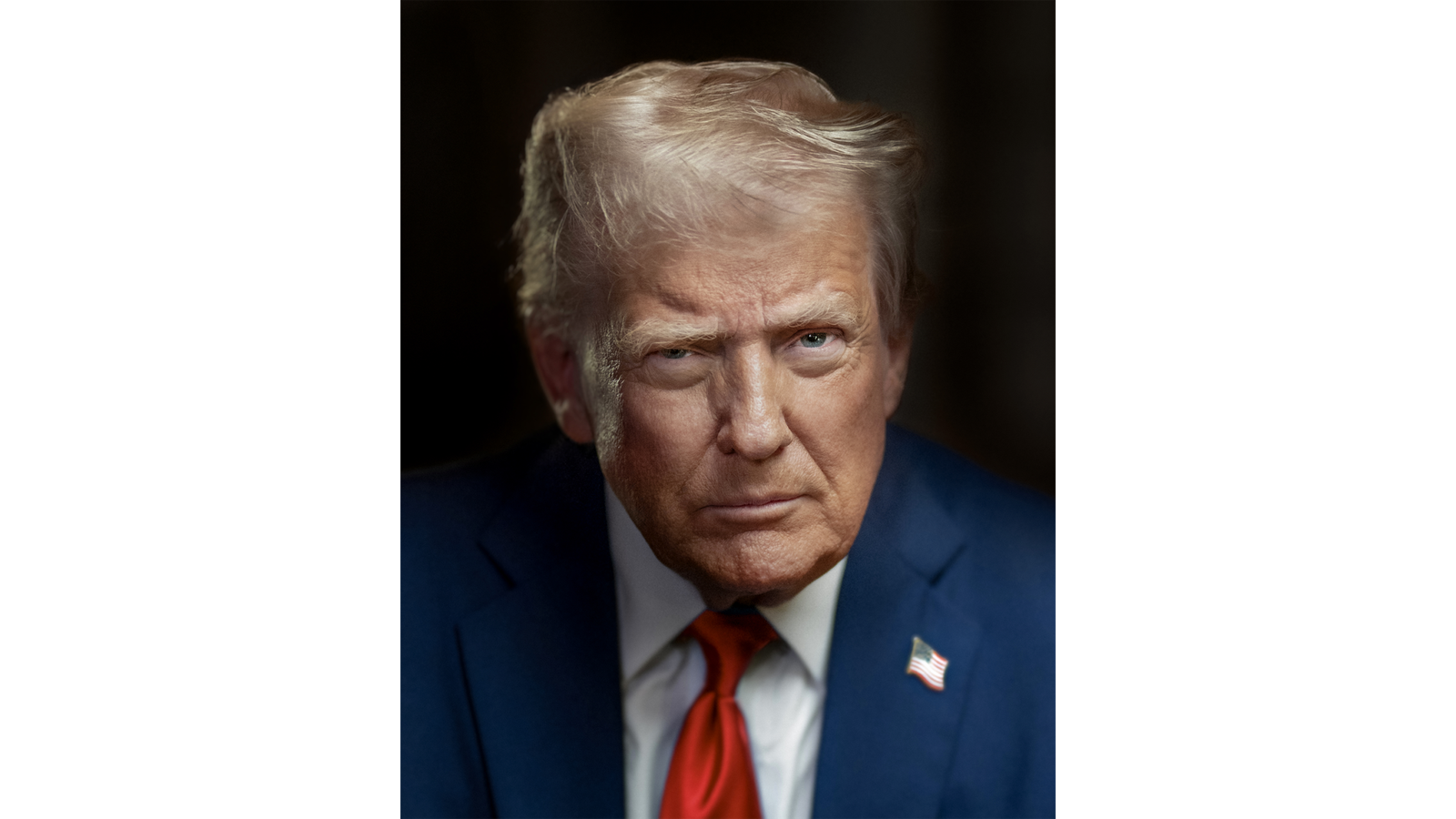
WASHINGTON, October 18, 2026: President Donald Trump’s decision to suspend a new package of sanctions targeting Russia has drawn criticism from lawmakers in both major US political parties, raising fresh questions about Washington’s approach to the war in Ukraine.
The president signed an executive order on October 16 delaying implementation of sanctions that Congress had approved with broad bipartisan support. The White House said the waiver served the national interest, while critics argued it weakened economic pressure on Moscow.
Why did Trump suspend the Russia sanctions?
The legislation was intended to increase the costs of Russia’s war in Ukraine, including through measures related to energy trade. The administration’s decision came shortly before key provisions were due to take effect.
According to the Associated Press, Trump cited national-interest grounds for the pause. The decision also follows a US-Russia diesel arrangement that the administration has presented as a way to address domestic fuel-price pressures.
How has Congress responded?
Republican and Democratic lawmakers who supported stronger sanctions criticised the waiver. Among those objecting were Republican senators Thom Tillis and John Cornyn and Democratic senator Elizabeth Warren, according to the Associated Press.
The criticism reflects a disagreement over whether easing economic restrictions will support US energy priorities or reduce leverage over Russia. Congressional opposition does not, by itself, reverse the executive order.
What does it mean for Ukraine and energy markets?
Ukraine has sought continued international pressure on Russia as the war continues. President Volodymyr Zelenskyy also criticised the sanctions pause, warning that reduced pressure could encourage further attacks.
The energy implications remain uncertain. Additional diesel supplies do not automatically translate into lower US retail fuel prices, which depend on refining, transport, demand and broader market conditions.
What happens next?
Congress is in recess until after the November 3 midterm elections, limiting opportunities for immediate legislative action. Lawmakers may revisit the waiver and the separate diesel arrangement when they return.
Sources: Associated Press, October 17, 2026; Reuters.