











How Live Streaming Is Replacing Traditional Events in the Middle East — and Why Visibility Matters More Than Ever
For years, business events in the Middle East followed a familiar pattern. Conference halls, hotel ballrooms, exhibition centers, printed badges, fixed schedules, and limited seating. Whether it was a product launch in Dubai, a corporate seminar in Abu Dhabi, or a training session in Riyadh, physical presence was considered essential.
But that idea has quietly changed.
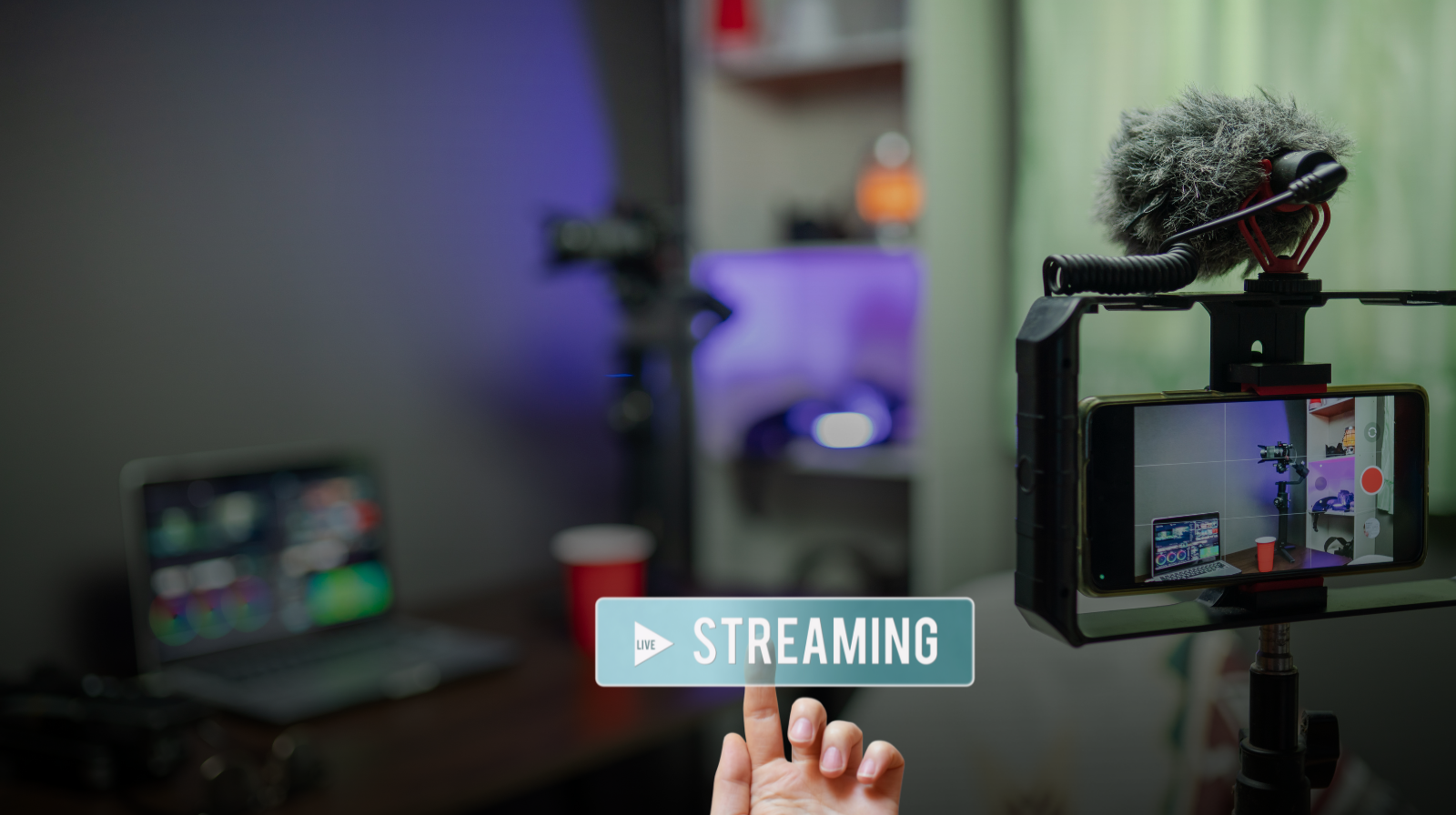
Today, many companies across the UAE and the wider Gulf are realizing something important: the audience no longer needs to be in the room to be fully present. Live streaming has moved from being a backup option to becoming the main stage.
The Shift Didn’t Happen Overnight
This change wasn’t sudden. It happened slowly, through experience.
Large organizations noticed that:
- Attendance dropped when travel became difficult
- Decision-makers preferred watching sessions on their own time
- Physical events were expensive and hard to scale
At the same time, digital platforms became more reliable, and audiences became more comfortable attending events online.
What started as a temporary solution has now become a long-term strategy.
Why Companies Are Choosing Live Streaming Over Physical Events
Businesses in the Middle East are not replacing traditional events because they dislike them. They’re doing it because live streaming solves problems physical events cannot.
Here’s what companies are gaining:
- Wider Reach
A physical event might host 300 people. A streamed event can reach 3,000 across regions.
- Lower Costs
No venue booking, no catering, no travel, no accommodation.
- Flexible Attendance
Viewers can join from offices, homes, or even while traveling.
- Content That Lives On
A streamed event becomes a long-term asset. Recordings can be reused, shared, and promoted.
This is why many corporate brands now work with event streaming solutions in Dubai to support board meetings, launches, internal training, and industry talks.
A Corporate Reality Check
Consider a regional logistics company that used to host an annual partner meet in Dubai.
The cost was high, and attendance was always limited by travel schedules.
When they moved the event online:
- Partner attendance increased
- Q&A participation doubled
- Post-event engagement lasted weeks instead of days
The event no longer depended on who could fly in. It depended on who could find it online.
This Is Where Visibility Becomes Critical
Here’s the part many companies miss.
Live streaming alone does not guarantee success.
People need to discover the event before they can attend it.
That discovery now happens through:
- Search engines
- Event pages
- Brand websites
- Shared links and replays
This is why visibility matters just as much as the streaming setup itself.
Some organizations partner with a search engine optimization agency in Dubai to make sure:
- Event landing pages appear in relevant searches
- Recorded sessions continue attracting viewers after the live date
- Brand authority grows with every published event
In simple words: if your event cannot be found, it cannot perform.
How SEO Supports the New Event Model (Without Being Technical)
You don’t need to understand algorithms to understand this.
Think of SEO like signboards on a highway.
- It helps people find your event page
- It helps recordings get discovered months later
- It turns one-time events into ongoing brand exposure
When companies use digital marketing in Dubai alongside streaming, their events stop being “one-day activities” and start becoming long-term digital assets.
This is especially powerful in the Middle East, where many professionals search online before registering for anything.
Live Streaming Builds Trust Differently
Traditional events rely on presence.
Live streaming relies on clarity and confidence.
When a brand hosts a well-organized online event:
- Speakers appear more accessible
- Information feels transparent
- Viewers feel less pressure and more comfort
This format works particularly well for:
- Corporate announcements
- Educational sessions
- Industry updates
- Product demos
A professional event solution company in UAE understands this shift and focuses on experience, not just technology.
Why Middle East Audiences Prefer This Format
Audiences in the Gulf region value:
- Efficiency
- Convenience
- Time control
Live streaming respects all three.
Executives can join without blocking a full day.
Teams can attend together from different locations.
Content can be revisited later.
This preference is not a trend—it’s a behavior change.
What Happens to Traditional Events?
They are not disappearing.
They are becoming more selective.
Physical events now work best when:
- They are small and exclusive
- They focus on networking
- They complement online reach
Many brands now use a hybrid approach:
- Live audience in a room
- Larger audience online
This model allows companies to protect their brand presence while expanding reach.
The Long-Term Advantage
When live streaming is supported by smart visibility planning:
- Events create ongoing website traffic
- Brand authority grows naturally
- Content supports future marketing efforts
Companies that understand this don’t see live streaming as a replacement.
They see it as an upgrade.
Closing Thought
The Middle East is not moving away from events.
It is moving toward events that travel further than rooms and halls.
Live streaming allows ideas to reach more people, more easily, and for longer periods.
When combined with thoughtful online visibility, it turns corporate events into lasting business assets.
In this new model, success isn’t about who shows up at the venue.
It’s about who finds your event—and remembers your brand afterward.