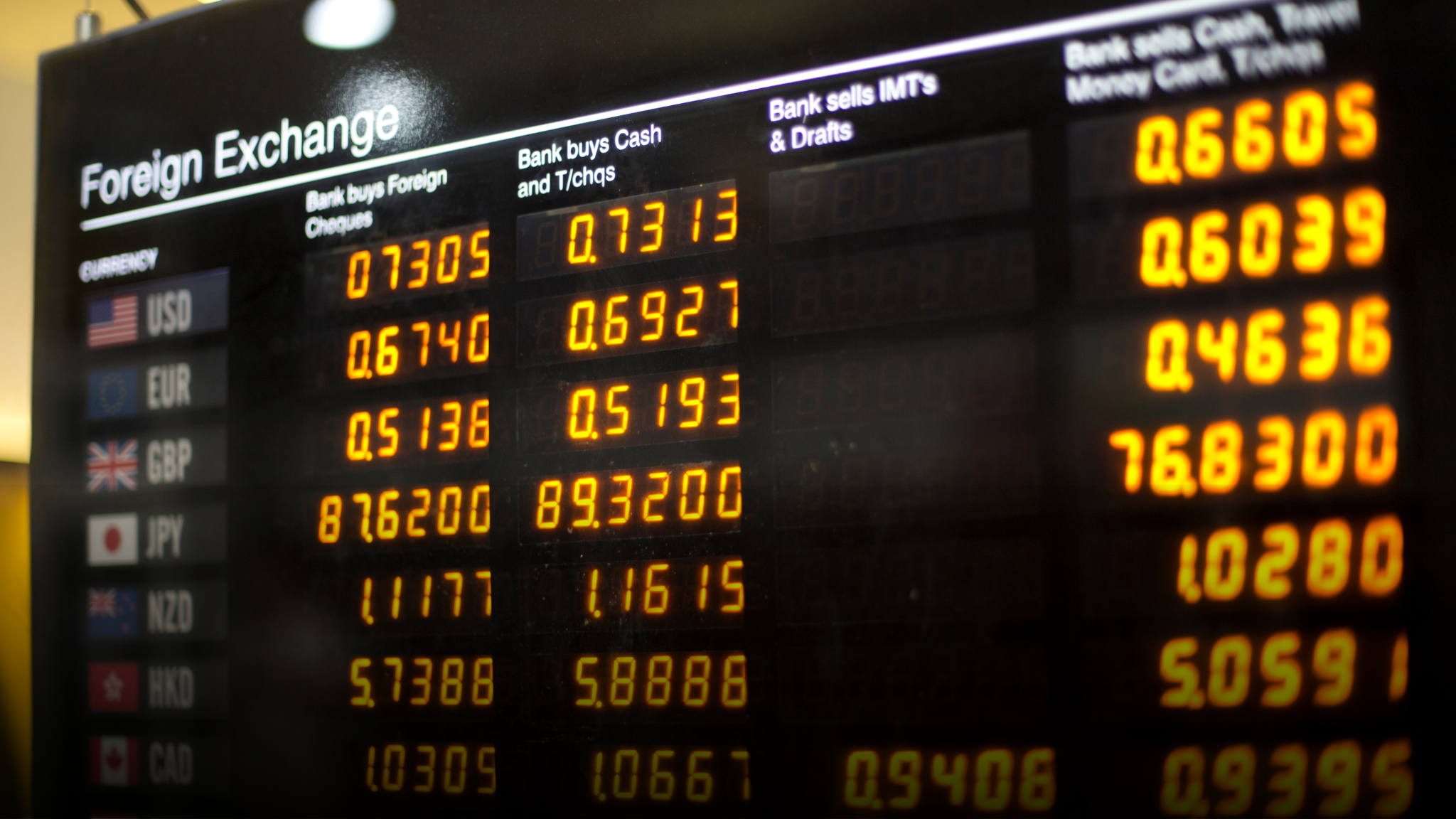










Digital technology has transformed the way individuals participate in financial markets. At the center of this transformation is the trading platform—the software interface that connects traders to global markets, real-time pricing, and execution systems. Whether someone is trading stocks, indices, or engaging in commodity trading, the platform they use plays a critical role in efficiency, accuracy, and overall experience.
Understanding how trading platforms function and how they support different asset classes helps traders make better-informed decisions and trade with greater confidence.
What Is a Trading Platform?
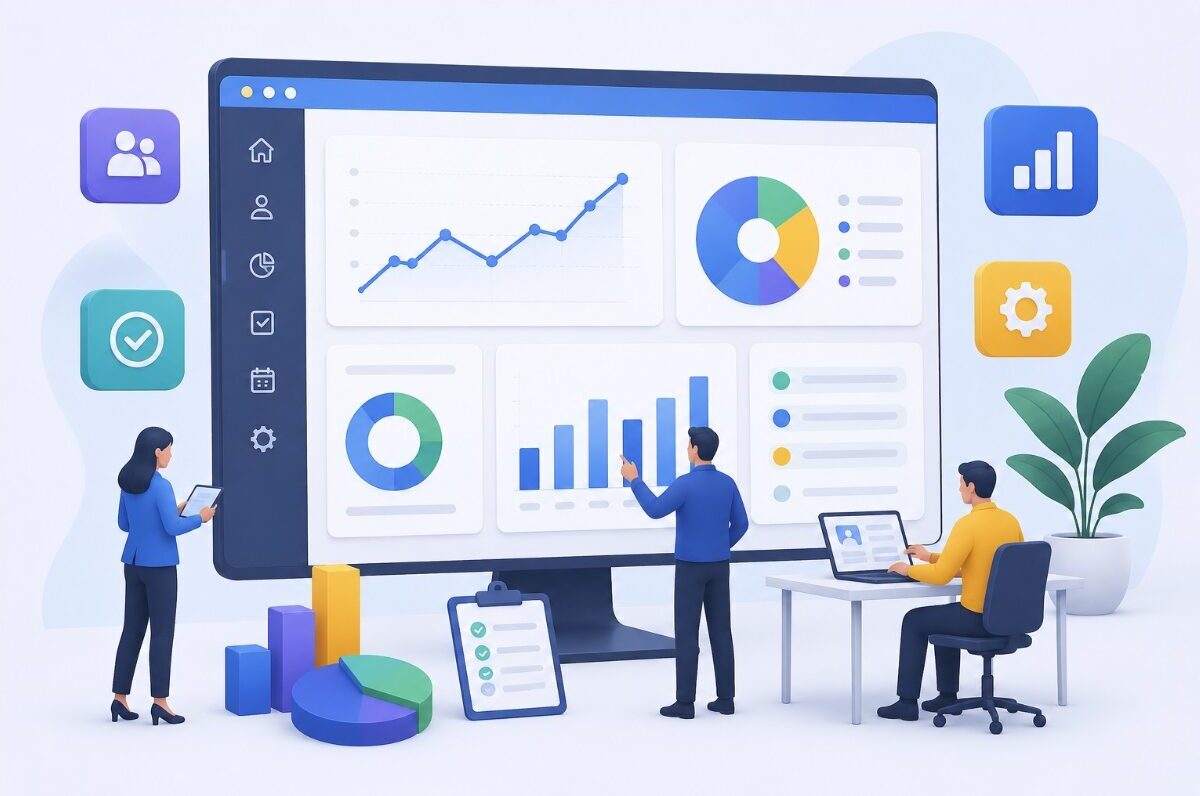
A trading platform is a digital system that allows users to place, manage, and monitor trades in financial markets. It acts as a bridge between traders and the market, displaying live price data, charts, and analytical tools while enabling order execution.
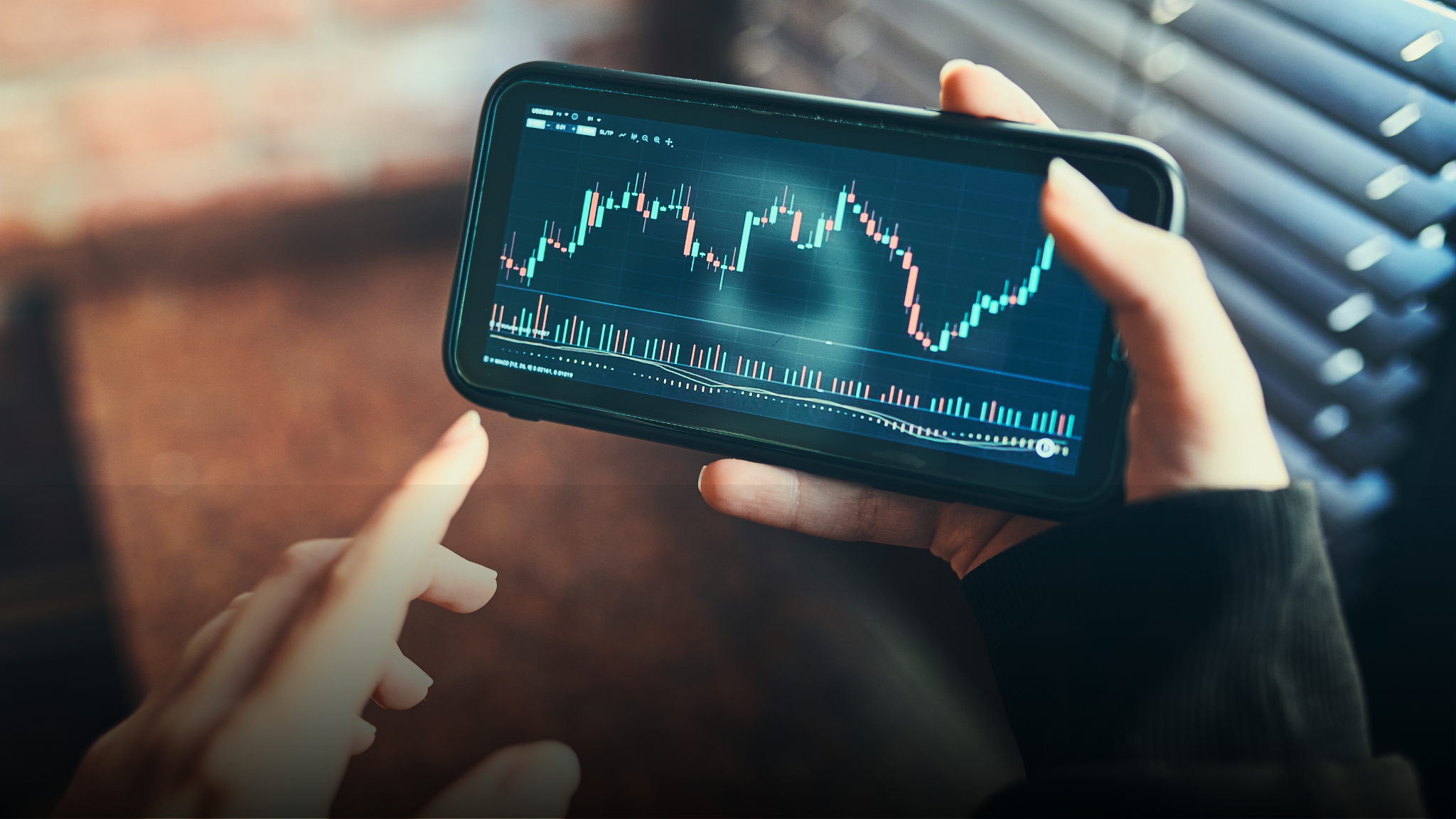
Modern trading platforms are accessible through desktop software, web browsers, or mobile devices. They support a wide range of instruments, including equities, indices, forex, and commodities, offering traders flexibility across multiple markets from a single interface.
Core Functions of a Trading Platform
A well-designed trading platform goes beyond basic buy-and-sell functionality. Its core functions typically include:
- Real-time market data for accurate price tracking
- Charting and technical analysis tools to identify trends and patterns
- Order management features, including stop-loss and take-profit settings
- Portfolio tracking to monitor open positions and performance
These features allow traders to analyze market conditions and respond quickly to changing prices—an essential requirement in fast-moving markets.
How Trading Platforms Support Commodity Trading
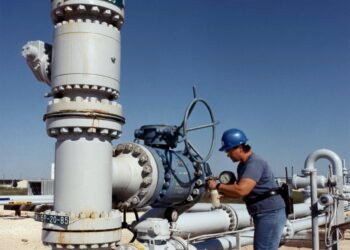
Commodity markets involve assets such as gold, oil, natural gas, agricultural products, and industrial metals. Commodity trading often responds to global economic data, geopolitical events, weather patterns, and supply-demand dynamics.
Trading platforms support commodity trading by:
- Providing continuous price updates for global commodity markets
- Offering advanced charts to analyze price trends and volatility
- Allowing quick execution during high-impact market events
- Integrating risk management tools to control exposure
Because commodities can experience sharp price movements, platform stability and execution speed are particularly important for traders in this segment.
Types of Trading Platforms Available
Web-Based Platforms
These platforms operate through a web browser and require no downloads. They offer convenience and accessibility, making them suitable for traders who switch between devices.
Desktop Platforms
Desktop platforms typically provide advanced tools, customizable layouts, and faster performance. They are often preferred by active traders who rely heavily on technical analysis.
Mobile Trading Platforms
Mobile platforms allow traders to monitor markets and manage positions while away from their desks. This flexibility is especially useful for tracking commodity markets that react to global news around the clock.
Key Features to Look for in a Trading Platform
Choosing the right trading platform involves evaluating several important features:
Market Coverage
A strong platform provides access to multiple asset classes, including commodities, enabling traders to diversify strategies without switching systems.
Analytical Tools
Indicators, drawing tools, and multi-timeframe charts help traders make data-driven decisions rather than emotional ones.
Execution Speed
Fast and reliable execution ensures that trades are placed at intended prices, reducing the risk of slippage during volatile periods.
Risk Management Controls
Tools such as margin alerts, stop-loss orders, and position sizing options help manage downside risk—especially important in leveraged markets.
Trading Platform vs Traditional Trading Methods
| Aspect | Trading Platform | Traditional Offline Trading |
| Market Access | Global, real-time | Limited and delayed |
| Execution Speed | Instant | Slower |
| Analysis Tools | Advanced digital tools | Minimal |
| Flexibility | High | Low |
| Accessibility | 24/7 via internet | Restricted hours |
Advantages of Using Modern Trading Platforms
Efficiency and Speed
Trades can be executed in seconds, allowing traders to react quickly to market movements.
Improved Market Visibility
Real-time charts and news integration provide better insight into price behavior, particularly in commodities influenced by global events.
Centralized Portfolio Management
A single trading platform can manage positions across multiple markets, simplifying oversight and strategy execution.
Who Benefits Most from Advanced Trading Platforms?
Trading platforms suit:
- Active traders who monitor markets regularly
- Individuals involved in short- to medium-term commodity trading
- Traders who rely on technical analysis and data-driven strategies
- Market participants seeking diversified exposure through one system
Long-term investors may use platforms primarily for monitoring, while active traders rely on them for frequent execution and analysis.