
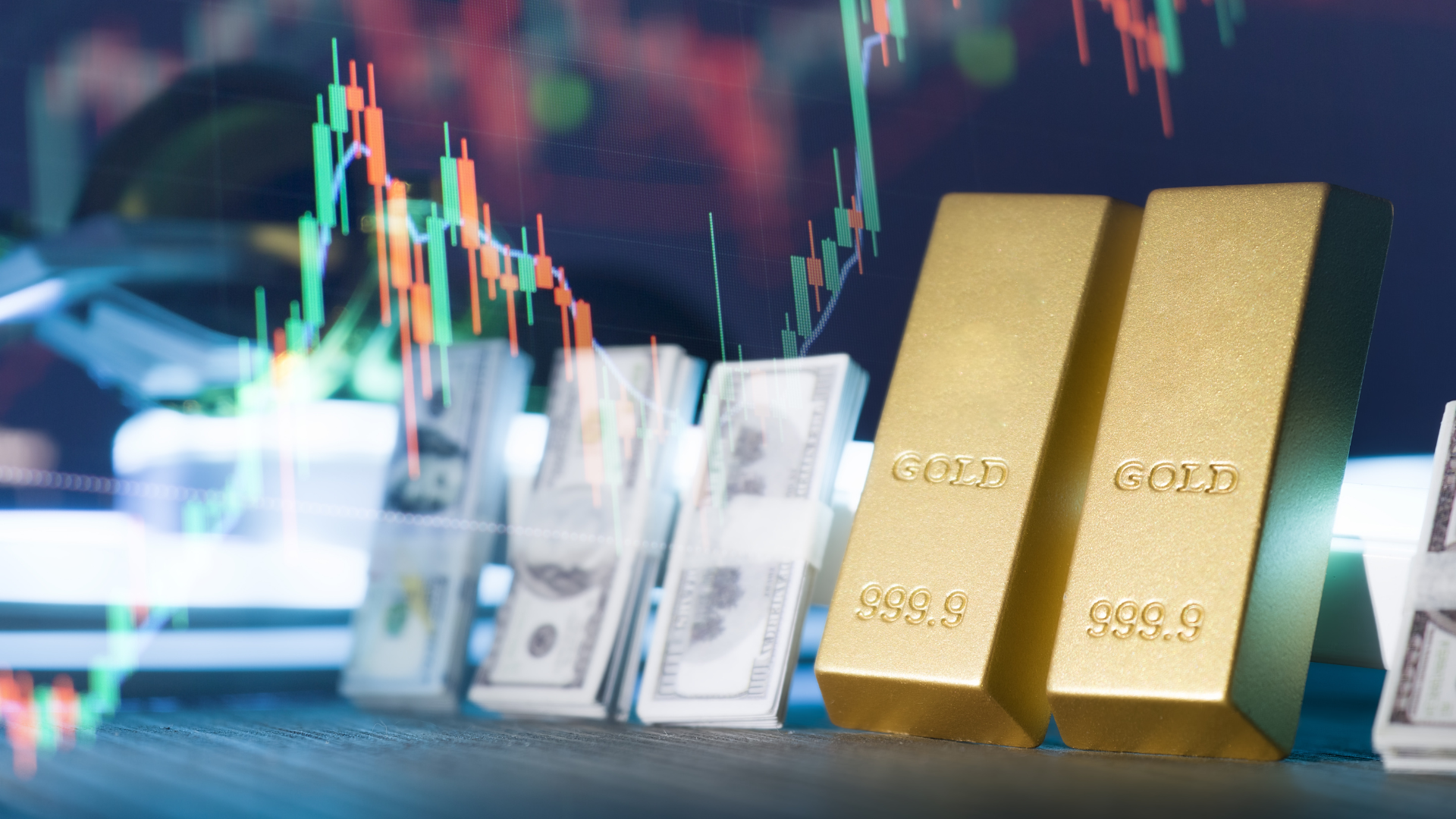

Investment strategies continue to evolve as global markets shift, economic cycles tighten, and diversification becomes essential for protecting and growing wealth. Among the most widely discussed financial choices today are gold trading and commodity trading, both offering unique advantages within a modern portfolio. While gold has historically been seen as a safe-haven asset, commodities present broader exposure to price movements driven by supply, demand, and global economic activity.
Choosing between these two approaches depends on personal financial goals, risk appetite, and investment strategy. This article explores how both forms of trading work, what benefits each offer, key differences, and how investors can make informed decisions.
Understanding Gold Trading
Gold has maintained its reputation as a store of value for centuries, and its significance in financial markets continues to strengthen. Gold trading involves buying and selling gold through derivatives such as CFDs, futures, spot contracts, or ETFs, allowing investors to speculate on price movements without physically holding the metal.
Why Gold Trading is Popular?
Gold consistently attracts investors because of several core characteristics:
- Safe-haven asset: Gold tends to hold or increase in value during inflation, currency fluctuations, market volatility or geopolitical uncertainty.
- Highly liquid: It can be traded globally and converted into cash quickly.
- Acts as a hedge: Protects portfolios when other asset classes such as equities or bonds experience downturns.
- Long-term wealth preservation: Historically, gold has shown stability and rising value across decades.
Modern trading platforms, such as those offered by Century Financial, provide convenient access to global gold markets with real-time pricing, leverage options, flexible contract sizes and analytical tools to help traders make informed decisions.
Understanding Commodity Trading:
While gold is technically a commodity, commodity trading extends far beyond precious metals. It includes energy products such as crude oil and natural gas, agricultural goods like wheat and coffee, and industrial metals such as copper and aluminium. Commodity trading allows investors to participate in global supply-chain dynamics and benefit from changing demand trends.
Why Commodity Trading Attracts Investors?
- Exposure to broader market opportunities: Access to multiple asset categories rather than a single product.
- Potential for high returns during supply-demand disruptions: Commodity prices react sharply to market shocks, seasons, political events and production changes.
- Effective diversification tool: Helps balance a portfolio that may be concentrated in equities or real estate.
- Economic indicator asset: Commodity performance often reflects real-world economic conditions, helping traders anticipate market cycles.
Platforms like those offered by Century Financial provide access to a wide range of commodity markets and instruments, making it easier for investors to explore energy, metals, and agricultural assets from a single interface.
Key Differences Between Gold Trading and Commodity Trading:
| Aspect | Gold Trading | Commodity Trading |
| Risk Level | Lower volatility, considered safe-haven | Higher price swings due to supply-demand imbalance |
| Market Drivers | Inflation, interest-rate policy, currency moves, global uncertainty | Economic cycles, weather patterns, shipping routes, geopolitical events |
| Portfolio Role | Hedge and wealth preservation | Growth-oriented diversification |
| Trading Instruments | Spot gold, futures, ETFs, CFDs | Futures, CFDs, swaps across multiple product categories |
| Liquidity | Very high—global market | Depends on commodity type and exchange volumes |
Which Is Better: Gold Trading or Commodity Trading?
There is no single “better” option. Instead, the right choice depends on strategy and expected outcomes.
Choose Gold Trading If You Want:
- Stability during uncertain economic periods
- A hedge against inflation and currency risk
- A defensive component in a balanced portfolio
- Long-term value preservation
Choose Commodity Trading If You Want:
- Broader exposure to global markets
- Potential to capture short-term price movements
- Participation in energy or agricultural cycles
- Opportunities tied to economic growth and industrial expansion
Many experienced investors prefer a blended approach, leveraging gold for security and commodities for growth.
How Trading Platforms Simplify Gold and Commodity Trading?
Modern digital platforms have revolutionised market access. Investors can now trade gold and diversified commodities through user-friendly online and mobile platforms, gaining access to advanced charting tools, technical indicators, real-time alerts and global pricing feeds.
For example, Century Financial provides dedicated trading services for both gold and commodity markets, enabling traders to explore opportunities across global exchanges with research support and risk-management tools built in. With over 35 years of market presence in Dubai, Century offers regulatory security, multi-platform access, and a wide selection of instruments suitable for different investment styles.
Gold vs Commodity Trading: Final Thoughts
Both gold trading and commodity trading play important roles in modern investment strategies. While gold provides long-term value stability and acts as a financial safety net during volatile times, broader commodity trading offers exposure to market growth, diversification and the potential for higher returns during strong economic cycles.
Rather than choosing one exclusively, many investors today adopt a balanced approach, allocating part of capital to gold for protection and another portion to commodities for expansion. The right ratio depends on risk comfort, financial goals and time horizon.
With reliable online trading platforms available, accessing both opportunities have become easier, more transparent and more flexible than ever before.
